In the industrial world, surface preparation and maintenance have traditionally been dirty, hazardous, and labor-intensive. Methods like sandblasting create dust, while chemical cleaning poses environmental risks.
Enter the Laser Cleaning Machine. It is a non-contact, eco-friendly solution that is rapidly replacing traditional methods across industries—from aerospace to automotive restoration. But with various laser types and power levels available, finding the right equipment can be confusing.
Are you looking to remove heavy rust from a bridge or delicate paint from an antique? This guide will walk you through the working principles, key selection criteria, and market insights to help you choose the perfect laser cleaning solution for your business.
How It Works: The Science of Laser Cleaning
Before investing, it is crucial to understand the technology. Laser cleaning works on the principle of Laser Ablation.
Energy Absorption: The machine emits a high-energy laser beam onto the surface.
Rapid Expansion: Contaminants like rust, paint, or oil absorb this energy much faster than the substrate (the metal underneath).
Vaporization: The contaminants heat up instantly and vaporize or peel off, leaving the base material clean and cool.
Key Takeaway: Because different materials absorb light differently, a laser can remove the dirt without damaging the metal underneath—if you choose the right settings.
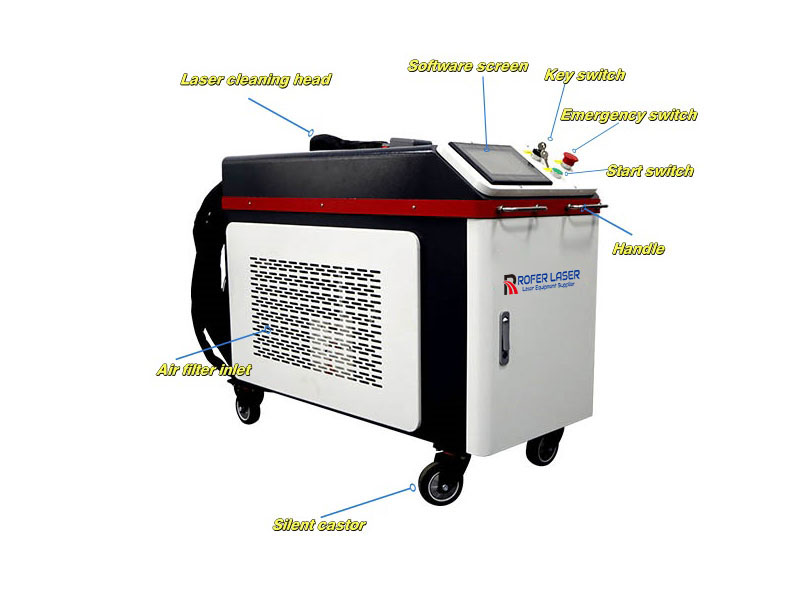
Key Factors in Choosing the Right Machine
Selecting a laser cleaner isn't just about buying the highest wattage. You must match the machine to your application.
1. Material Compatibility & Laser Type
There are two main types of fiber laser cleaners:
Continuous Wave (CW) Lasers: These emit a constant beam. They are highly efficient, affordable, and ideal for large-scale rust removal on steel structures or pipes. However, they generate more heat.
Pulsed Lasers: These emit short bursts of energy. They are more expensive but offer "cold cleaning," making them perfect for delicate molds, historical artifacts, or thin metals where heat damage must be avoided.
2. Cleaning Efficiency vs. Precision
High Speed: If you need to clean large surface areas quickly (e.g., ship hulls), look for a high-power CW machine (1000W - 3000W).
High Precision: If you need to clean a specific spot on an engine block without touching the surrounding area, a lower-power Pulsed machine (100W - 500W) provides the necessary control.
3. Power Selection (Wattage)
More power isn't always better; it depends on the thickness of the contaminant.
100W - 200W: Light rust, oil, and thin paint. Portable and easy to handle.
1000W - 2000W: Medium to heavy rust, thick paint layers, and oxides.
3000W+: Heavy industrial applications, deep corrosion, and fast-paced production lines.
4. Budget & ROI Analysis
While the upfront cost of a laser machine is higher than a sandblaster, the Total Cost of Ownership (TCO) is lower.
No Consumables: No sand, no chemicals, no media to buy.
Low Maintenance: Fiber lasers typically run for 100,000 hours with minimal maintenance.
Labor Savings: The process is faster and can be automated.
Explore Our Range:Not sure which power level fits your budget? Browse our Laser Cleaning Machine Collection to compare specifications and find a model that maximizes your ROI.
Market Research: Comparing Brands
When evaluating suppliers, look beyond the sticker price.
Core Components: Ensure the machine uses a reputable laser source (like Raycus, MAX, or IPG). This is the "engine" of the machine and determines its lifespan.
Portability & Design: For field work, check the weight of the handheld cleaning head. A lightweight, ergonomic design reduces operator fatigue.
Safety Features: Does the machine have emergency stops and safety interlocks? Laser safety is paramount.
Conclusion
Choosing the best laser cleaning machine is a strategic decision that balances application needs, speed requirements, and budget. Whether you need the brute force of a 3000W CW laser for rust or the delicate touch of a 100W Pulsed laser for mold cleaning, the right machine will transform your workflow.
Invest in technology that is clean, green, and efficient.
Ready to upgrade your cleaning process?Visit our Laser Cleaning Machine product page to view our latest handheld and automated solutions. Our experts are ready to help you configure the perfect system.
Join the Conversation
We want to hear from you:What is the most difficult cleaning challenge you currently face? Is it removing thick epoxy paint or dealing with rust in hard-to-reach corners?
Leave a comment below! Our technical team will reply with specific advice on which laser settings would work best for you.
Phone:+86-15990992073
Email:manager@roferlaser.com
WhatsApp:+86-15990992073
Add:Economic Development Zone, Gangcheng District, Jinan City, Shandong Province


