Introduction
From automotive chassis to architectural frameworks, the demand for precision tube processing is at an all-time high. For fabricators, investing in a Tube Laser Cutting Machine is no longer a luxury—it is a necessity to stay competitive.
However, with countless brands, power options, and configurations available, selecting the right machine can feel overwhelming. Making the wrong choice can lead to production bottlenecks or wasted budget. In this comprehensive guide, we break down everything you need to know to make an informed decision that aligns with your production goals.
Understanding the Technology: CO2 vs. Fiber Laser
The first decision you will face is the type of laser source. While there are others, the market is dominated by two main players:
1. CO2 Laser Cutters
The Old Standard: Uses a gas mixture to create the beam.
Pros: Excellent edge quality on thicker mild steel and non-metal materials.
Cons: High maintenance costs (mirrors, gas), lower energy efficiency, and struggles with reflective metals.
2. Fiber Laser Cutters (The Industry Standard)
The Modern Choice: The beam is generated in an active fiber and delivered via a transport fiber.
Pros:
Speed: 2-3 times faster than CO2 on thin-to-medium materials.
Versatility: Easily cuts reflective metals like copper, brass, and aluminum.
Efficiency: Consumes 70% less energy than CO2 lasers.
Verdict: For most modern metal fabrication shops, Fiber Laser is the superior choice due to its low operating costs and high speed.
Key Considerations for Selection
Before asking for a quote, analyze your specific needs against these four factors:
1. Material & Thickness
What are you cutting 80% of the time?
2. Tube Geometry & Dimensions
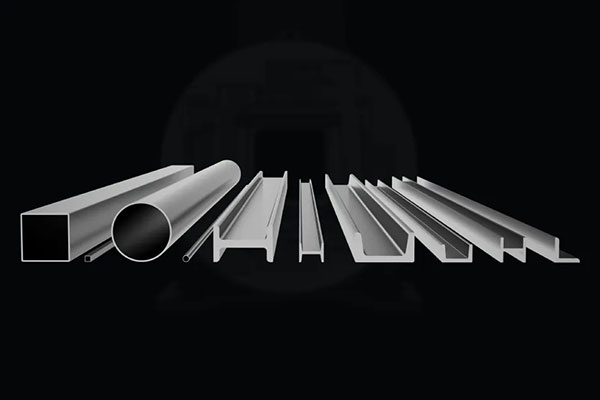
Tube lasers aren't just for round pipes.
Check the Chuck: Ensure the machine's chuck (clamping system) can handle your maximum diameter (e.g., 220mm or 350mm).
Profile Variety: If you cut Angle Iron (L-shaped), C-Channel, or H-Beams, verify the machine's software supports these open profiles.
3. Budget: Upfront Price vs. Long-Term Value
Don't just look at the sticker price. Consider the Total Cost of Ownership (TCO).
A cheaper machine with low-quality components may cost you double in downtime and repairs over 5 years.
Fiber lasers generally offer a faster ROI (Return on Investment) because they have no optical mirrors to align or replace.
4. Service & Technical Support
This is often the deal-breaker. A laser machine is a complex system.
Does the supplier offer remote diagnostics?
Are spare parts (nozzles, lenses) readily available?
ROFER LASER prides itself on offering comprehensive after-sales support to ensure your production never stops.
Explore Our Solutions:Not sure which specs fit your needs? Browse our Tube Metal Laser Cutting Machine Series to compare different models and power configurations.
Market Research: How to Compare Brands
When evaluating suppliers, dig deeper than the brochure.
Request Sample Cuts: Send your specific vector files to the manufacturer and ask them to cut a sample. Inspect the edge quality and ask for the "cycle time" (how long it took).
Check Core Components: A high-quality machine should use reputable brands for key parts (e.g., IPG/Raycus for laser sources, Yaskawa/Panasonic for servo motors).
Read Case Studies: Look for testimonials from businesses similar to yours.
Conclusion
Choosing the right tube laser cutting machine requires balancing your current production needs with future growth. While price is important, prioritizing reliability, material versatility, and technical support will yield the highest profits in the long run.
Don't navigate this complex market alone. Our experts are here to help you configure the perfect machine for your workshop.
Ready to take the next step?Visit our Tube Metal Laser Cutting Machine product page for detailed specs, or contact us today for a free consultation.
We Want to Hear From You!
Question of the day:What is the most difficult material or shape you currently struggle to cut? Is it thick stainless steel or perhaps fragile aluminum tubes?
Drop a comment below! Our engineers check the comments regularly and can offer specific advice on power settings and gas selection.


